Author

Technical SEO is one of the most important parts of search engine optimization. It helps search engines such as Google discover, crawl, render, index, and understand your website. A technically optimized website can provide a better user experience, improve website performance, and create a strong foundation for organic search visibility.
Whether you manage a WordPress website, an e-commerce store, a business website, or a blog, understanding technical SEO is essential for long-term digital growth.
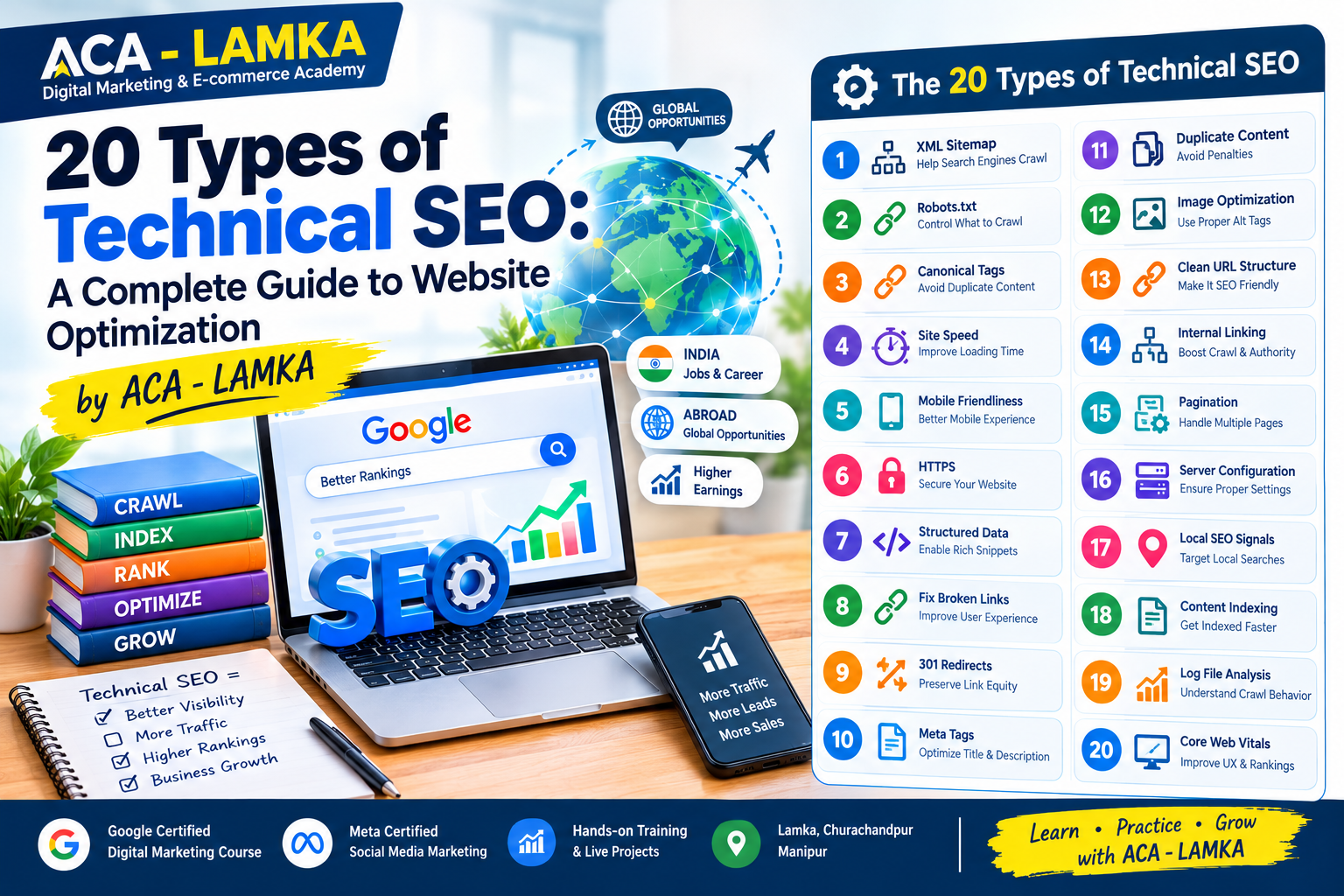
In this guide, we will explore 20 important types of technical SEO, their benefits, and the tools you can use to optimize your website.
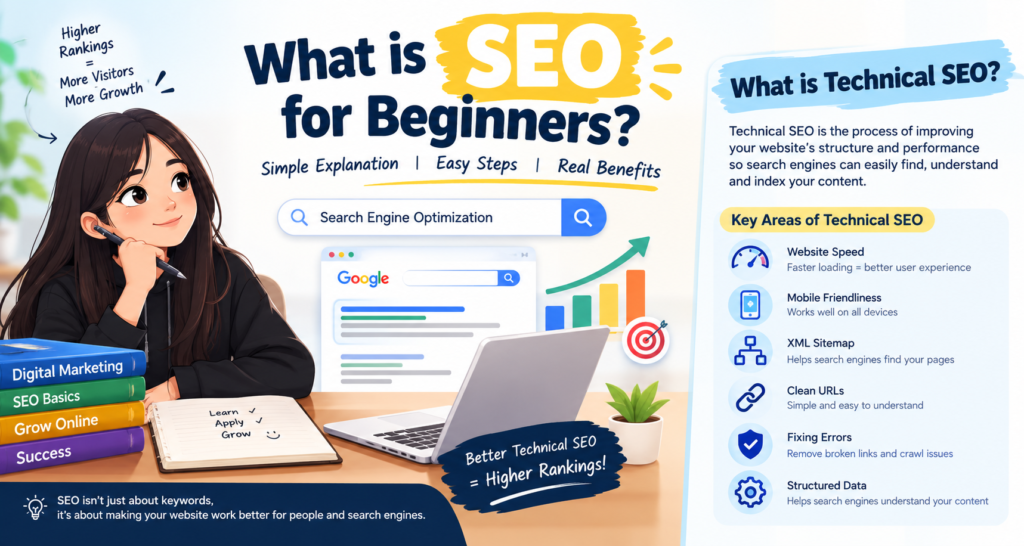
What Is Technical SEO?
Technical SEO refers to optimizing the technical elements of a website so search engines can access and understand its content efficiently. Unlike on-page SEO, which focuses on content, keywords, and headings, technical SEO focuses on website infrastructure, crawling, indexing, speed, security, and structured data.
Technical SEO does not guarantee higher rankings, but it helps remove technical barriers that can prevent your pages from appearing in search results.
20 Important Types of Technical SEO
1. Crawlability Optimization
Crawlability ensures search engine bots can access important pages on your website. You should check your robots.txt file, internal links, and server response codes to identify crawling problems.
2. Indexability Optimization
Indexability determines whether a page can be included in Google’s search index. Check for accidental noindex directives, incorrect canonical tags, and other indexing issues using Google Search Console.
3. XML Sitemap Optimization
An XML sitemap helps search engines discover important URLs. Include the canonical pages you want indexed and remove URLs that should not appear in search results. Submit your sitemap through Google Search Console. Website indexing and crawlability
4. Robots.txt Optimization
The robots.txt file provides instructions to compliant crawlers about which website paths they can access. Configure it carefully to avoid blocking important pages or resources. Remember that robots.txt alone does not guarantee that a URL will stay out of Google’s index.
5. Canonicalization
Canonical tags help identify the preferred URL when duplicate or very similar pages exist. They are particularly useful for e-commerce websites with product filters, tracking parameters, or multiple URLs leading to similar content.
6. Core Web Vitals Optimization
Core Web Vitals measure important aspects of user experience. They include Largest Contentful Paint (LCP), Interaction to Next Paint (INP), and Cumulative Layout Shift (CLS). Improving these metrics can make your website faster, more responsive, and visually stable.
7. Website Speed Optimization
Website speed optimization includes compressing images, reducing unnecessary JavaScript and CSS, enabling caching, and improving server response times. Faster pages help visitors access information with less waiting.
8. Mobile SEO
Mobile SEO ensures your website works properly on smartphones and tablets. Use responsive layouts, readable fonts, accessible navigation, and appropriately sized buttons. Test important pages on different screen sizes.
9. HTTPS and Website Security
HTTPS protects information exchanged between a visitor’s browser and your website. Install and maintain a valid SSL/TLS certificate, redirect HTTP URLs to HTTPS, and fix mixed-content issues.
10. Structured Data and Schema Markup
Structured data helps search engines understand specific information about your content. Depending on your website, you may use Organization, Article, Breadcrumb, Product, or Course schema. Implement accurate markup and validate it using Google’s Rich Results Test where applicable.
11. Website Architecture and Internal Linking
A clear website structure makes it easier for visitors and search engines to discover important pages. Organize content into relevant categories and connect related blog posts, service pages, and product pages using descriptive internal links.
12. Redirect Management
Redirects send users and crawlers from one URL to another. Use 301 redirects for permanent moves and 302 redirects for temporary moves when appropriate. Fix redirect loops, unnecessary chains, and redirects to irrelevant destinations.
13. Broken Links and 404 Errors
Broken links lead users to unavailable pages. Regularly audit internal links, restore useful deleted pages, or redirect permanently moved content to a relevant replacement. A 404 response is appropriate when a page genuinely does not exist and has no suitable replacement.
14. URL Structure Optimization
Create clear, descriptive URLs that communicate the page topic. For example, /technical-seo-guide/ is easier to understand than a long URL containing meaningless parameters. Maintain consistent URL formatting across your website.
15. Crawl Budget Optimization
Crawl budget is particularly relevant to large websites with many URLs. Reduce unnecessary crawling of duplicate pages, low-value URL variations, and parameter-based URLs where appropriate. Smaller websites should usually prioritize useful content, internal linking, and indexing issues instead.
16. JavaScript SEO
JavaScript SEO ensures search engines can access important content generated or modified by JavaScript. Check that essential text, links, metadata, and navigation are available after rendering. This is especially important for JavaScript-heavy websites and web applications.
17. Breadcrumb Optimization
Breadcrumb navigation shows users where a page sits within the website hierarchy. For example: Home > SEO Services > Technical SEO. Breadcrumbs improve navigation and can help search engines understand page relationships.
18. Image SEO and Optimization
Optimize images by compressing files, choosing suitable formats such as WebP or AVIF, specifying image dimensions, and writing descriptive alt text for meaningful images. These practices improve accessibility and can support image search visibility.
19. International SEO and Hreflang
International SEO helps websites serve appropriate language or regional versions to different audiences. Hreflang annotations can indicate relationships between localized versions of a page. They should be implemented consistently, with appropriate reciprocal references.
20. Technical SEO Auditing and Monitoring
A technical SEO audit identifies problems affecting website accessibility, indexing, performance, and structure. Review Google Search Console regularly and use crawling tools to detect broken links, duplicate content, redirect issues, and missing metadata.
Best Technical SEO Tools
Several tools can help you monitor and improve your website:
- Google Search Console: Monitor indexing, sitemap status, and organic search performance.
- Google PageSpeed Insights: Evaluate page performance and Core Web Vitals.
- Screaming Frog SEO Spider: Crawl websites and identify technical problems.
- Semrush Site Audit: Discover technical and on-page SEO issues.
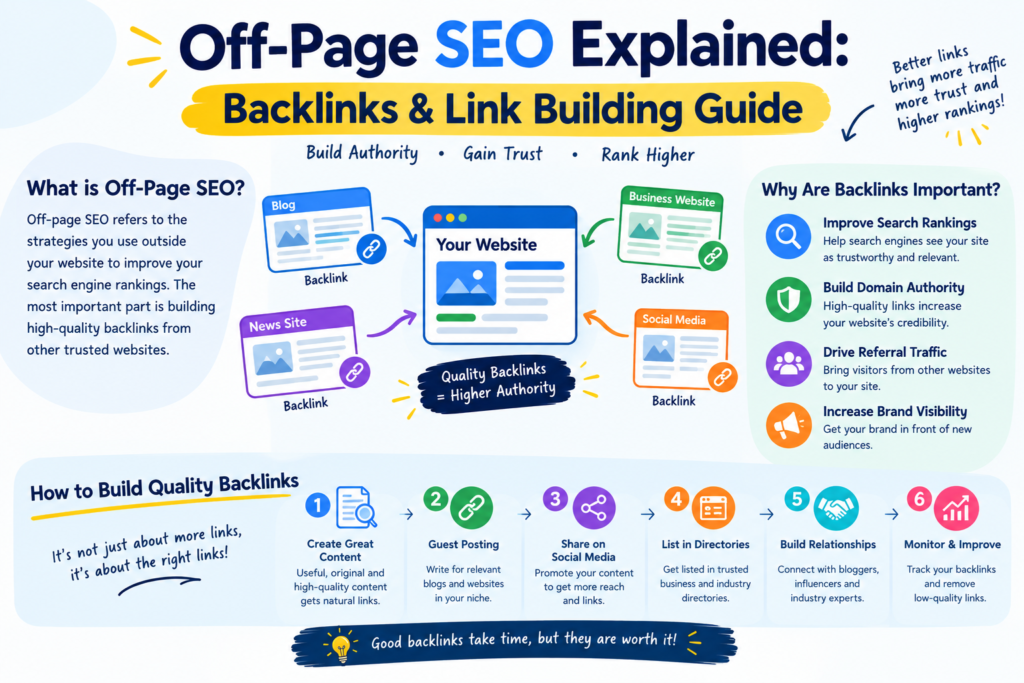
- Ahrefs: Analyze backlinks and website health.
- Google Rich Results Test: Check supported structured data.
- Chrome DevTools: Investigate rendering, network requests, and performance problems.
For WordPress websites, plugins such as Rank Math can also help manage XML sitemaps, Technical SEO best practices canonical tags, robots directives, and structured data. However, plugins cannot automatically solve every technical SEO issue.
Conclusion
Technical SEO is the foundation of a well-optimized website. From crawlability and indexability to Core Web Vitals, schema markup, mobile usability, and redirect management, every area contributes to making a website easier to access and understand.
Start with Google Search Console, fix critical crawling and indexing issues, improve website speed, and conduct regular technical audits. By following these 20 technical SEO practices, you can build a stronger foundation for organic visibility, user experience, and sustainable online growth.
If you want to develop practical digital marketing skills, learning technical SEO alongside content optimization, keyword research, Google Analytics, and Google Ads can help you build a more complete SEO strategy. Our Agency
Table of Contents
Social share
https://www.youtube.com/@adcampaignacademy
https://www.facebook.com/adcampacademy
https://www.instagram.com/adcampacademy
https://www.reddit.com/user/digitalmang44